Setting up Practice
As a direct result of working from home during COVID, many of us have found ourselves in hybrid or fully remote jobs.
While this has opened a door to a certain level of freedom and flexibility, it has also created the problem of separating work from home. How can you do this if there is not much of a commute. With the remote working now a permanent for many people, there is a real need to address the how, where and when of our working habits.
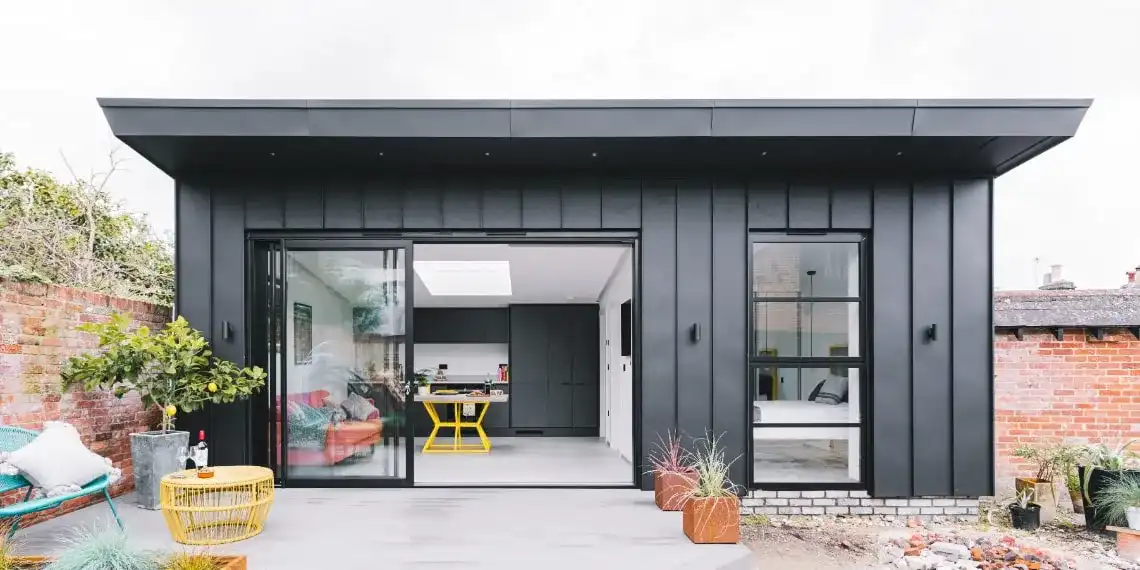
Going to work involves a deliberate act that actually divides & separates work from the rest of life, so even if the daily commute is now reduced to taking a cup of tea into another ‘work designated’ room, a niche under the stairs or into a transformed shed in the garden, this is enough to mark the difference between being at work and at home.
Space is always under pressure and our homes are no different, but it is important to evaluate how you use the space you’ve got and from the least utilised areas carve a space that will become your office. Ideal candidates are spare bedrooms, hall cupboards, under stair niches, second living rooms, garages, garden rooms or sheds, unused corners in sitting rooms or kitchens etc. Perhaps adding a freestanding office bureau or cabinet is all you need.
It can be difficult to envisage how a space might work especially if its uninviting in its current state – a drafty, dusty garage or shed might not look great in its current state, so you have to engage your imagination and solve the problems one at a time, e.g. adding insulation and a heat source might just make that space a bit more appealing! Work out exactly what you need to make your office space work easily for you:
Having what you need to hand will make work so much easier and stress free.
It needs to be clear that this newly carved out space is yours and for your work – set clear boundaries for yourself and your family. Is this going to be a place that is purely for your work with a no touch policy for everyone except you, or will you allow hot-desking for school homework outside of ‘office hours’?
Adding personal finishes that make your space a welcoming place to be may seem frivolous, but it is much easier to stay put and focus in a space that is pleasurable and comfortable to be in, so after all the necessities are in place, take the time to add these flourishes as it will make all the difference. Maybe a cushion and throw, a poster or some photographs, a rug and a potted plant and some new stationery. You may surprise yourself after all this effort and find that staying late at the ‘office’ isn’t such a chore after all!
Recent Posts


Built with
We can also assist with interiors specifications — for example, kitchen layouts, bespoke joinery, finishes, and fittings.
We can prepare a tailored quote based on the level of detail and input you’d like from us. The more information we specify upfront together, the smoother the build process will be, and the more accurate your contractor’s costings will be, helping to avoid unexpected costs.
This scope would be agreed under a fixed fee.
If the proposed scheme is particularly large, complex, or potentially contentious, we may recommend submitting a pre-application enquiry to the local planning authority before proceeding with a full planning application. This can help clarify requirements, identify potential issues early, and improve the chances of a successful outcome.
This scope would be agreed under a fixed fee.
After planning approval, the final stage is Technical Design, where we create detailed Building Regulation Drawings (BREGs).
A few important notes:
You’ll need Building Control sign-off for the build. This can be done through the local authority or privately, with fees paid directly to Building Control.
We can introduce you to trusted local structural engineers, or we’re happy to collaborate with any chartered engineer of your choice. Their fees are separate and payable directly to them.
We can also introduce you to reputable builders we regularly work with, if needed.
Our fees are split into two payments: 50% upon instruction and 50% upon issue of the drawings to Building Control.
Once you’re happy with the proposed design, we’ll prepare your planning application pack.
A typical planning submission includes:
Location & Block Plan
Existing Plans & Elevations
Proposed Plans & Elevations (including coloured elevations)
Proposed Site Plan
Design & Access Statement
We’ll handle the submission on your behalf and liaise with the council throughout, keeping you updated every step of the way.
Our fees are split into two payments: 50% upon instruction and 50% upon submission of the application.
This is the exciting part — shaping a design that’s perfectly suited to you.
After our initial consultation, we’ve prepared a brief and a list of drawing deliverables. Here’s how this stage works: We start with a site survey to produce accurate existing plans and elevations. We then develop proposed design drawings based on the agreed brief. Once ready, we’ll invite you to our office for a design review. We’ll refine the design based on your feedback and issue a final drawing pack for you to sign off. Our fees are split into two payments: 50% upon instruction and 50% upon issue of the drawings.