Setting up Practice
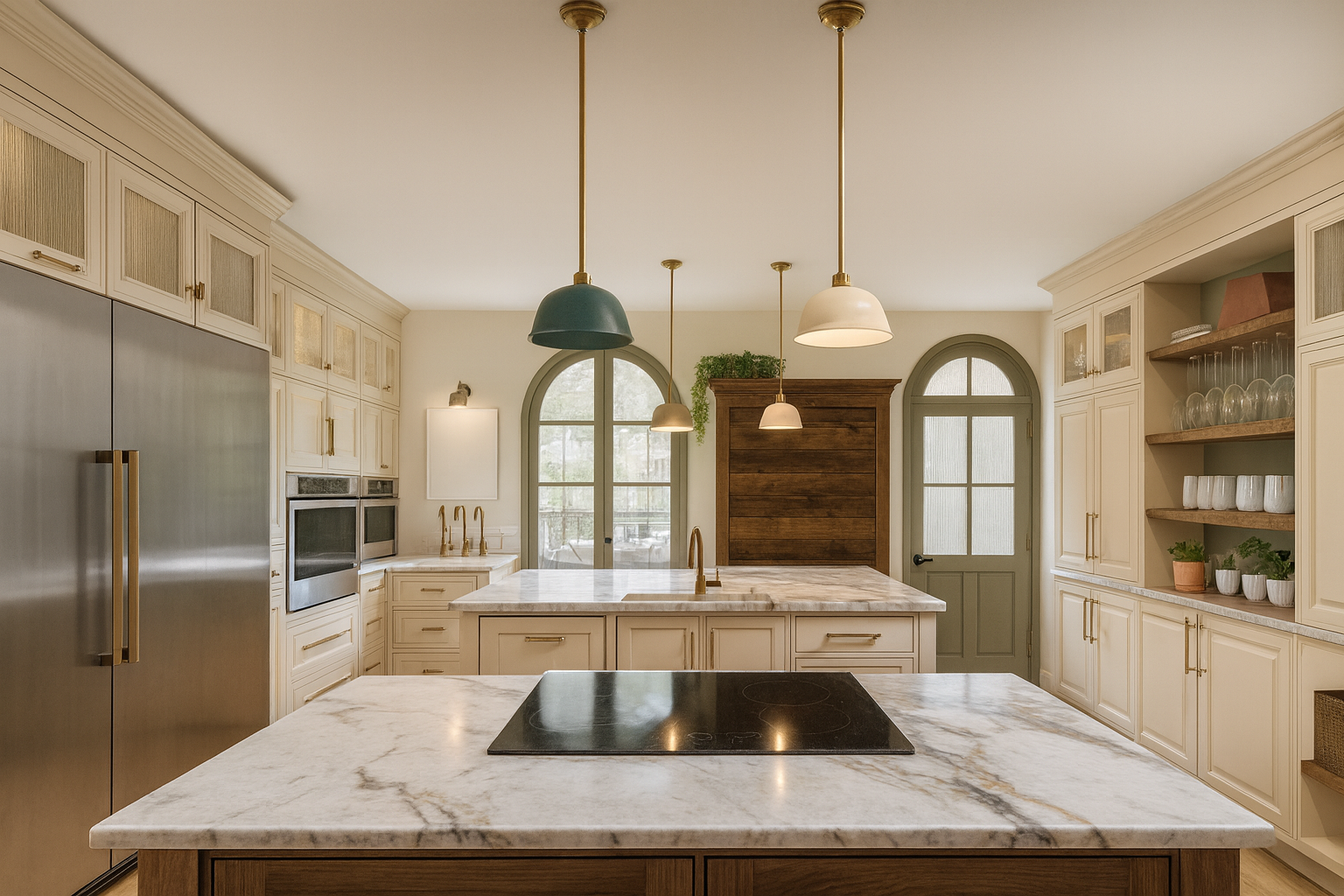
Whether you need more space, want a more eco-friendly home or just need a few more mod-cons. Most homeowners have puzzled over the tricky conundrum of Relocation versus Renovation.
Its not a straightforward puzzle to solve especially as each individual’s situation tends to have unique issues, but here are the basics you should consider when thinking about whether to Love it or List it!
The first thing to do is create a list of all the extras you need to achieve and all the extras you’d like to achieve.
Now, if its impossible for you to achieve your ‘MUST HAVES’ at your existing property, for example, you don’t live in the catchment for the schools you’d prefer your children to attend, then obviously, only a move will be the solution.
However, with clever design, a renovation of your existing home may help you achieve, not only your ‘MUST HAVES’, but your ‘WISH LIST’ too.
There are so many different ways to get everything you need, such as reconfiguring your existing space, converting unused spaces such as a loft or a garage, extending your home whether out or up, adding a new feature such as a kitchen or bathroom, retrofitting money saving eco features, adding a conservatory or garden room, the list goes on…
In both cases, moving house and upgrading your existing home to suit your needs will incur costs, and either could come out as the most economic option depending on individual circumstances. So, before making a decision one way or the other, its vital that you consider all the costs involved.
Moving to a bigger house is naturally more expensive, so is moving into a popular area. These are the headline costs that you have probably already thought of.
Other costs to bear in mind when moving are:
& costs that are often forgotten:
Renovating your home also has obvious costs i.e. the actual build or reconfiguration too, but other costs that are sometimes missed could include:
It is worth spending time evaluating your costs and weighing up the outcomes of a move vs. renovation. Often your ideal home can be designed and built as a renovation project, but it can sometimes be difficult to find that ideal home ready to buy – a move to a new home could still mean building or renovation work once you’ve moved in!
Doing it all – further consideration should be given to the cost-effectiveness of improving your existing home in order to up its value so that you can then look at moving with a bigger budget!
If you’re considering giving your home a makeover then we can help! Studio Arkell are offering a 1 hour free design consultation special offer to homeowners within a 15 mile radius of Christchurch, Dorset. Call or email now to book an appointment.
Recent Posts


Built with
We can also assist with interiors specifications — for example, kitchen layouts, bespoke joinery, finishes, and fittings.
We can prepare a tailored quote based on the level of detail and input you’d like from us. The more information we specify upfront together, the smoother the build process will be, and the more accurate your contractor’s costings will be, helping to avoid unexpected costs.
This scope would be agreed under a fixed fee.
If the proposed scheme is particularly large, complex, or potentially contentious, we may recommend submitting a pre-application enquiry to the local planning authority before proceeding with a full planning application. This can help clarify requirements, identify potential issues early, and improve the chances of a successful outcome.
This scope would be agreed under a fixed fee.
After planning approval, the final stage is Technical Design, where we create detailed Building Regulation Drawings (BREGs).
A few important notes:
You’ll need Building Control sign-off for the build. This can be done through the local authority or privately, with fees paid directly to Building Control.
We can introduce you to trusted local structural engineers, or we’re happy to collaborate with any chartered engineer of your choice. Their fees are separate and payable directly to them.
We can also introduce you to reputable builders we regularly work with, if needed.
Our fees are split into two payments: 50% upon instruction and 50% upon issue of the drawings to Building Control.
Once you’re happy with the proposed design, we’ll prepare your planning application pack.
A typical planning submission includes:
Location & Block Plan
Existing Plans & Elevations
Proposed Plans & Elevations (including coloured elevations)
Proposed Site Plan
Design & Access Statement
We’ll handle the submission on your behalf and liaise with the council throughout, keeping you updated every step of the way.
Our fees are split into two payments: 50% upon instruction and 50% upon submission of the application.
This is the exciting part — shaping a design that’s perfectly suited to you.
After our initial consultation, we’ve prepared a brief and a list of drawing deliverables. Here’s how this stage works: We start with a site survey to produce accurate existing plans and elevations. We then develop proposed design drawings based on the agreed brief. Once ready, we’ll invite you to our office for a design review. We’ll refine the design based on your feedback and issue a final drawing pack for you to sign off. Our fees are split into two payments: 50% upon instruction and 50% upon issue of the drawings.